How to Write a Resume That Stands Out
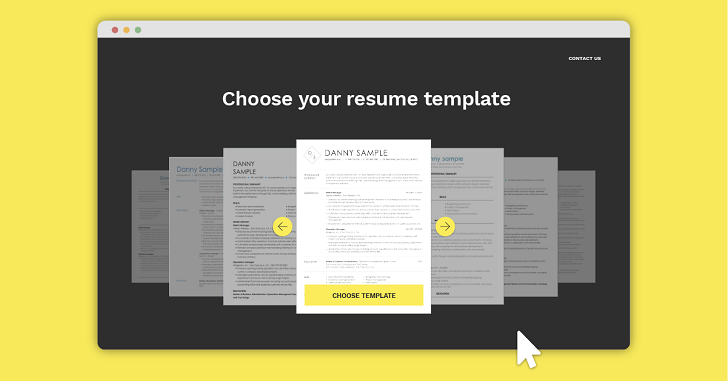
Creating an effective resume can feel overwhelming given the multitude of conflicting advice. Should it be a single page? Is a summary necessary? How much personal detail should you include? With hiring managers sifting through numerous applications, making your resume stand out is crucial. This guide will help you navigate these questions and craft a resume that leaves a lasting impression.
Table of Contents
- Expert Insights on Resume Writing
- Tailor Your Resume for Each Job
- The Importance of a Strong Summary
- Structuring Your Resume for Maximum Impact
- Education and Experience: What to Highlight
- Skills Section: To Include or Not?
- Addressing Employment Gaps
- Focus on Relevance and Clarity
- Showcasing Accomplishments Over Responsibilities
- Optimize Readability
- Seek Feedback and Align with LinkedIn
Expert Insights on Resume Writing
Crafting a resume isn’t a quick task. Jane Heifetz, a renowned resume expert, emphasizes the importance of thoughtful composition. “A resume is more than just a document; it’s a marketing tool,” she explains. John Lees, a career strategist, adds that your resume should not only impress hiring managers but also make an impact within your network.
Tailor Your Resume for Each Job
Avoid sending the same resume to every job application. Heifetz advises creating a foundational resume and then customizing it for each position. Start by analyzing the job description, highlighting key responsibilities and keywords. Use this information to adjust your resume’s summary and accomplishments. Lees suggests rearranging bullet points or modifying language to fit the job and industry.
The Importance of a Strong Summary
The initial 15-20 words of your resume are crucial. Lees recommends starting with a brief summary of your expertise, providing a snapshot of who you are and why you’re the ideal candidate. Examples of effective summaries include:
- “Healthcare executive with over 25 years of experience leading providers of superior patient care.”
- “Strategy and business development executive with significant experience in corporate growth and realignment initiatives.”
Avoid clichés and focus on making your summary specific and impactful.
Structuring Your Resume for Maximum Impact
If you’re transitioning to a new industry, prioritize an accomplishments section right after your summary. This section should highlight key achievements and connect your previous experience with the job you’re applying for. This approach helps capture the hiring manager’s attention and demonstrates your potential value.
Education and Experience: What to Highlight
For most business resumes, emphasize work experience over education. Place your employment history and achievements prominently, saving educational details for the end. For academic or specialized roles, however, putting education first might be more appropriate.
Skills Section: To Include or Not?
Heifetz suggests skipping a separate skills section. Instead, integrate relevant skills into your experience descriptions. Mention software expertise or critical skills in your summary if they are essential for the job.
Addressing Employment Gaps
Employment gaps are less of a concern nowadays. If you were inactive for a period, briefly mention any relevant activities or use your cover letter to explain the gap positively. Many employers are now more understanding of gaps in employment.
Focus on Relevance and Clarity
A resume should be a concise reflection of your achievements and qualifications. Avoid including every job or detail; instead, focus on what will persuade a hiring manager to contact you. Personal interests should only be mentioned if they add value to your application or fit the company’s culture.
Showcasing Accomplishments Over Responsibilities
Heifetz advises emphasizing accomplishments rather than just listing responsibilities. For example, rather than stating “Managed a team of 10,” explain how your leadership resulted in promotions or exceeded targets. Providing quantifiable achievements can make your resume more compelling.
Optimize Readability
While one-page resumes are no longer a strict requirement, limit your resume to two or three pages. Ensure it is easy to read with clear fonts and sufficient white space. Avoid overloading the document with text and use a straightforward layout.
Seek Feedback and Align with LinkedIn
Getting feedback from a resume writer, mentor, or friend can help refine your resume. Be specific in your requests for feedback. Additionally, ensure your LinkedIn profile complements your resume but with a more narrative and personal touch. LinkedIn profiles benefit from a conversational tone and a first-person perspective.